


Government Cloud Clusters customers now have a wider choice of AWS deployment locations when their security and authorization requirements do not call for AWS GovCloud.
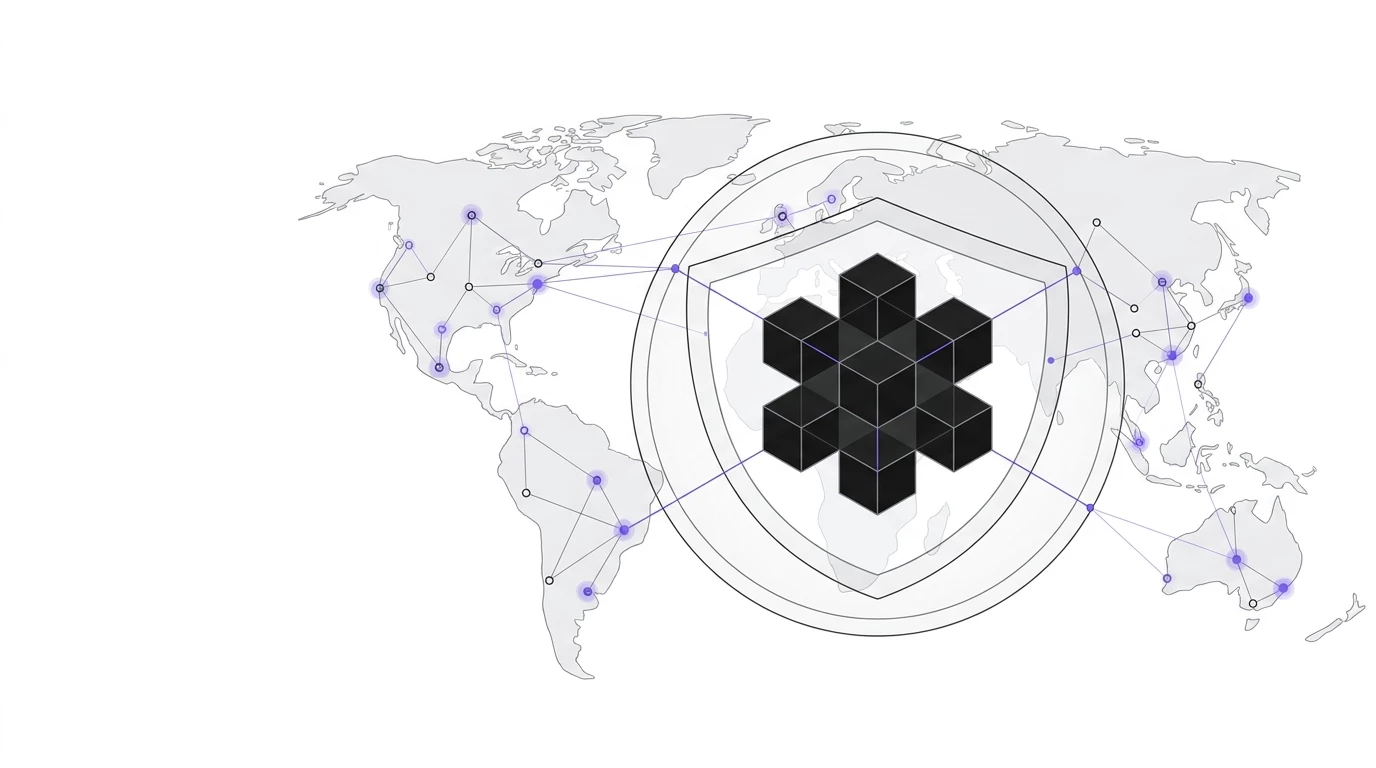
Nutanix Government Cloud Clusters (GC2) 1.2.0 now supports all 34 commercial AWS regions listed in the current NC2 on AWS support matrix.
GC2 1.2.0 arrived as part of the July 2026 platform release cycle, support for AWS GovCloud US-East, AWS GovCloud US-West and AWS European Sovereign Cloud Germany remains in place. The full region matrix appears in the GC2 1.2.0 Deployment and User Guide.
For some public-sector and regulated customers, that distinction is useful. Their systems may require FedRAMP or GovRAMP, formerly StateRAMP, related controls and an authorization path, but the workload itself may not require AWS GovCloud.
Matching the deployment boundary to the workload
AWS commercial US East and US West regions include services authorized at FedRAMP Class C, formerly Moderate. AWS also states that its East/West Moderate FedRAMP authorizations receive corresponding GovRAMP recognition. That can make commercial regions a fit for systems targeting that level when every required AWS service is in scope and the customer or agency implements its controls and completes the applicable Authority to Operate process.
The region does not make the system compliant by itself. GC2 is not being described here as FedRAMP, GovRAMP or StateRAMP certified or authorized. AWS publishes both its FedRAMP authorization details and the services covered by FedRAMP scope, while the customer and authorizing agency remain responsible for the system boundary, controls and ATO.
When GovCloud-specific requirements do apply, customers should use the environment that meets them. But when they do not, deployment in the standard AWS partition can remove an extra operating boundary.
AWS GovCloud uses a separate partition from standard AWS regions. It brings separate accounts and credentials, GovCloud-specific endpoints, a distinct console sign-in model and possible service differences. The AWS comparison of GovCloud and standard regions documents those boundaries. Commercial-region support lets eligible GC2 customers stay in the standard AWS partition rather than establish a separate GovCloud operating model solely because they need GC2’s local management architecture.
The GC2 operating model stays the same
GC2 is deployed in the customer’s AWS account through AWS CloudFormation. The customer retains control of AWS credentials, and orchestration runs inside the customer VPC. Cluster lifecycle tasks use local GC2 services and Prism Element workflows rather than depending on the NC2 SaaS console.
That self-contained approach is the reason GC2 exists. It gives government and regulated customers a way to run Nutanix Cloud Infrastructure on AWS while keeping cluster provisioning and lifecycle control inside their environment. The GC2 technical note covers the architecture, CloudFormation deployment model and IAM options in detail.
Commercial deployment also offers a different cost profile. It may be lower than GovCloud for some configurations, but there is no universal savings claim to make. Customers need to compare the exact AWS region, supported bare-metal type, commitment model and network charges, along with Nutanix licensing, for their own design.
Region support is one part of that design check. A listed region still needs suitable bare-metal capacity and account enablement. Several AWS commercial regions require customers to opt in before use. Deployment also depends on the documented AWS permissions, supported licensing and the limitations in the GC2 1.2.0 guide. Region presence does not guarantee that every bare-metal type or optional feature will be available for a given account and configuration.
This release gives customers a cleaner choice: use GovCloud when the system requires its boundary, or consider a supported commercial region when the required AWS services, controls and authorization path permit it. In both cases, GC2 keeps its customer-controlled and self-contained cluster management model.
A separate thank-you goes to Miles Scott at AWS for the work helping customers deploy quickly and for the continued work on new NC2 on AWS features. That practical collaboration matters when customers are turning an architecture decision into a working environment.